With AI literacy you also meet a requirement of the EU AI Act, which obliges operators of AI systems to ensure a sufficient level of AI understanding among their staff. As an open source standard, PostgreSQL / PostGIS also supports your digital sovereignty when it comes to storing geodata.
Training for public administration

Who is the training for?
Our offers are aimed at municipalities, districts, state and federal authorities as well as municipal enterprises. They suit different roles: caseworkers and specialist departments (e.g. geodata, environment, urban planning, procurement), IT and data protection, and managers who need to set rules for the use of AI.
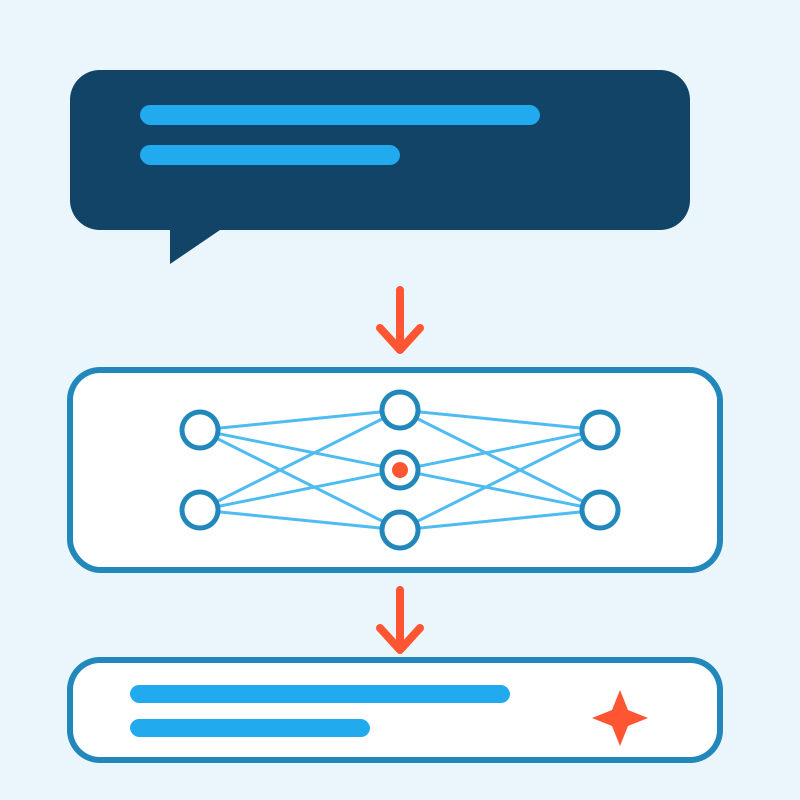
How language models work
Tokens, training and context: we explain in an understandable way how LLMs arrive at their answers, where hallucinations come from and why results must always be checked.Prompting for everyday administration
How do you formulate requests that deliver reliable results? We practice with examples such as memos, summaries, letters to citizens and minutes.Creating images
Opportunities, limits and licensing questions when generating images and graphics with AI, e.g. for public relations and presentations.Secure and data protection compliant use
Which data may go into a chatbot and which may not? We discuss operating models (cloud, EU hosting, locally operated models), the role of data protection officers and the basics of an internal directive or AI policy for your authority.Possibilities and limits
Where AI relieves administrative work, where it is unsuitable and how to ensure responsibility and traceability.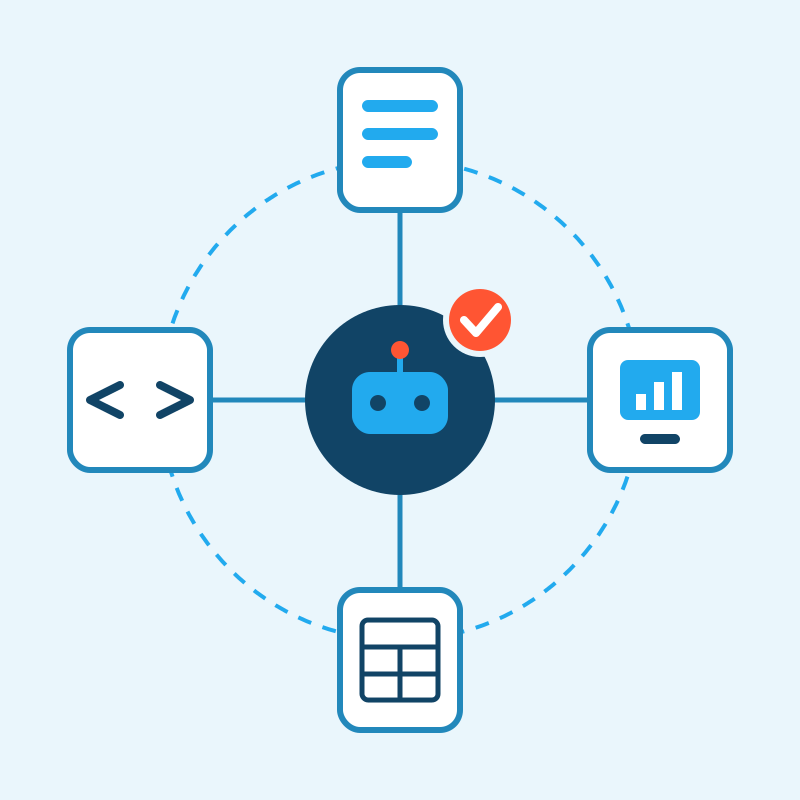
From chat to agent
What distinguishes an agent from a chatbot: tools, planning and iterative work on a task.Practical examples from administration
Creating specialist concepts, templates and presentations, drafting service descriptions and tender documents as well as software development and automation with agentic support.Integration into your workflows
How agents fit into existing processes, tools and quality standards - and what to consider regarding procurement, documentation and IT security.Opportunities and limitations
Where agents save time and where they make mistakes. We clarify why administrative decisions must not be delegated to a system and how to organize review and responsibility.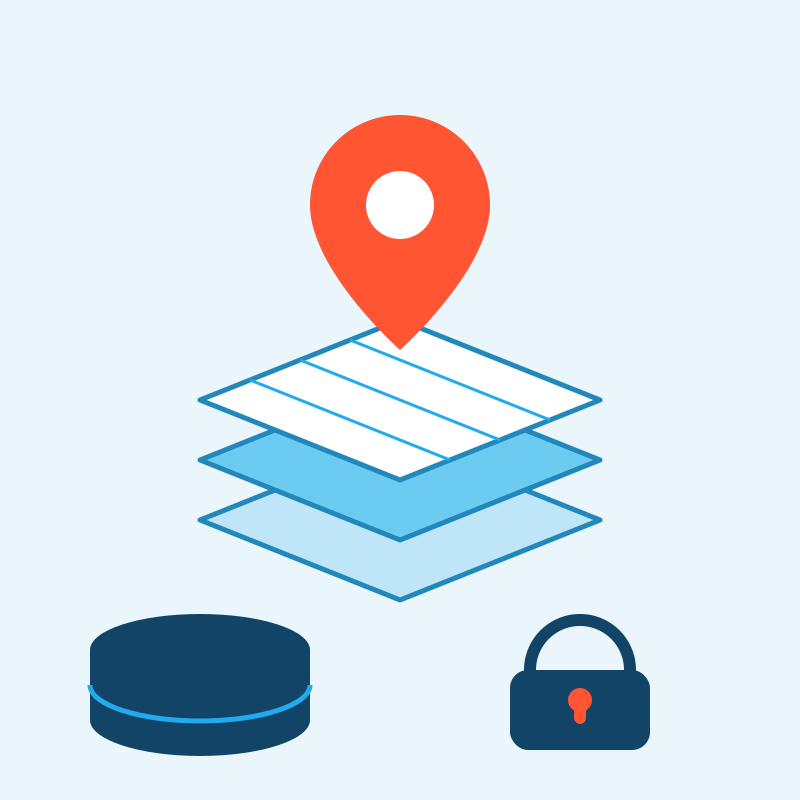
Functions
Geometry and geography types, coordinate reference systems, spatial indexes as well as spatial queries and analyses directly in SQL.Integration into your spatial data infrastructure
Importing common geodata formats and existing specialist data, connecting GIS clients such as QGIS and map services based on OGC standards.Secure management
Role and permission concepts, separation of specialist data, backups and data integrity for reliable and traceable geodata management.Delivery
All training courses are based on extensive practical experience, not on theory alone. We design them to be hands-on: short technical inputs alternate with exercises and examples from your field of work. We agree content, depth and duration with you, and the three topics can be booked individually or combined. All participants receive accompanying materials. You can choose between three formats:
Online training
The training takes place by video conference. This saves travel time and costs and is particularly suitable for participants at several locations.On-site training
We come to your premises. Your employees learn in a familiar environment, at their own workplaces and with their existing technology.Training with organized venue
We take care of organizing the training, including suitable training rooms, so that you can concentrate on the participants.Get in touch

Jacob Mendt
Your contact for training and IT solutions for spatial and environmental data

